V2C Trydan 7.4 kW Single-Phase Wallbox: Complete Buyer’s Guide (Specs, Features, Installation & Alternatives)
The V2C Trydan 7.4 kW single-phase wallbox is built for drivers who want faster AC charging at home, smart scheduling, and energy management features that help protect the household electrical system. If you’re comparing EV chargers, this guide covers the practical specs, real-life charging expectations, installation requirements, and what to check before buying.
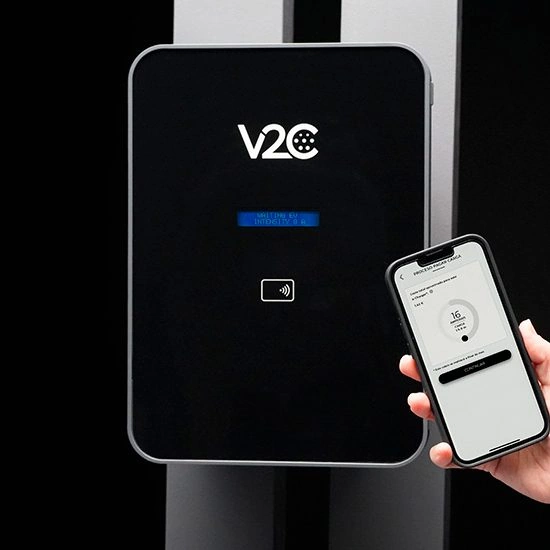
✅ Quick Verdict
Choose the Trydan 7.4 kW if your home is 230 V single-phase and you want a smart charger with strong daily convenience. It’s especially useful if you need dynamic load management to avoid overloads, or you want to prepare for off-peak and solar-friendly charging (depending on your configuration).
What “7.4 kW Single-Phase” Really Means
A 7.4 kW single-phase charger typically operates at up to 32 A on a 230 V supply. In everyday terms, this is a major upgrade from a standard household socket and is often the most powerful option available without moving to a three-phase electrical supply.
Charging Speed Expectations (Real World)
| Scenario | Typical Outcome |
|---|---|
| Car supports 7.4 kW single-phase AC | Fast home charging; strong overnight top-ups |
| Car limited to 3.7 kW (16 A) AC | Charger works, but speed is capped by the vehicle |
| Cold weather / battery conditioning | Temporary reduced charging power is possible |
Note: Actual range added per hour depends on your vehicle efficiency, temperature, charging curve, and onboard AC charger limits.
Key Specs to Check Before You Buy (Trydan 7.4 kW)
“Trydan” is often used to describe a product family with multiple variants. Before purchasing, confirm your exact model (SKU/reference) and what’s included in the box.
- Max power (AC): up to 7.4 kW (single-phase)
- Electrical supply: 230 V single-phase (commonly up to 32 A)
- Connector format: Type 2 cable (tethered) or Type 2 socket (depending on variant)
- Smart control: app control, scheduling, charging stats (availability depends on configuration/region)
- Energy management: dynamic load control / load balancing (may require CT clamps or a meter module)
- Outdoor suitability: typically designed for indoor/outdoor installation (always verify enclosure ratings on your exact model)
- Safety protections: may include leakage detection features; confirm what’s built-in vs required at the electrical panel
💡 Buying Tip
When comparing wallboxes, don’t focus only on “kW.” Ask: What protections are included? Is load management included or optional? Does it support your solar setup? The cheapest charger can become expensive if it needs many add-ons during installation.
Smart Features That Matter for Most Buyers
1) Dynamic Load Management (Avoid Tripping Breakers)
Dynamic load management adjusts charging power in real time based on your home’s total consumption. If high-load devices turn on (oven, water heater, heat pump), the charger can reduce EV charging current to help prevent overload.
- Helps protect your main breaker and reduces nuisance trips
- Lets you charge at higher power when the home load is low
- Useful when your contracted power is limited
2) Scheduling & Off-Peak Charging
A good wallbox should let you schedule charging during cheaper electricity hours and prevent charging when your home load is at its peak. Scheduling is also helpful if you want the car ready at a specific time every morning.
- Weekly schedules (weekday/weekend profiles)
- Start/stop control from your phone (if connected features are enabled)
- Ability to set a maximum current (useful for smaller electrical systems)
3) Charging Statistics & Energy Tracking
Many owners want to track charging sessions, delivered kWh, and estimated cost. This is especially valuable if you reimburse EV charging or want to separate EV usage from the household total.
4) Solar (PV) Charging: What to Confirm
If you have solar panels, you may want “surplus charging” (using excess PV energy instead of exporting it to the grid). Before choosing any wallbox for PV, check how it measures surplus and how it behaves at low production.
- Surplus measurement method: CT clamps, smart meter, or inverter integration
- Minimum charging current: many EVs need around 6 A minimum to keep charging
- Mixed modes: PV-only vs PV + grid support
- Installer configuration: a correct setup is essential for stable PV charging
Which Trydan Version Is Right for You?
Before ordering, decide which version best matches your parking and usage habits:
Tethered Cable (Type 2)
- Fast daily routine: grab cable and plug in
- No need to store your own cable
- Best for frequent home charging
Socket (Type 2 Outlet)
- Flexible: use different cable lengths
- Clean look when not charging
- Easy cable replacement if damaged
If you plan a future home upgrade (solar expansion, second EV, higher contracted power), confirm whether your chosen Trydan configuration supports those scenarios without replacing the wallbox.
Installation Checklist (Must-Check Items)
EV charger installation should be done by a qualified electrician according to local regulations and manufacturer documentation. Use this checklist before buying a 7.4 kW wallbox:
- Confirm your supply: You have 230 V single-phase at the installation point and enough capacity for up to 32 A (or plan to limit current).
- Plan cable routing: Long cable runs can increase cost and may require thicker cable for safety and voltage drop control.
- Confirm protections: Verify which RCD/RCBO and protections are required in your electrical panel and what the wallbox includes internally.
- Load management sensors: If using dynamic load control, confirm where CT clamps/meter components will be installed.
- Connectivity: Check Wi-Fi signal strength near the charger if you want remote control and live stats.
- Mounting location: Choose a practical height, protect the unit from direct impacts, and ensure safe cable management.
⚠️ Safety Note
Don’t “DIY” a high-power wallbox unless you are certified and allowed by local regulations. Correct protection devices and proper cable sizing are essential for safety and long-term reliability.
Compatibility With EVs and Plug-in Hybrids
A 7.4 kW Type 2 AC wallbox is compatible with most EVs sold in Europe that support Type 2 AC charging. The key detail is your car’s onboard AC charger:
- Full speed: vehicles that support ~7.4 kW single-phase can use the maximum power
- Reduced speed: vehicles limited to 3.7 kW (or lower) will charge slower even if the wallbox can deliver more
- Three-phase capable cars: may charge slower on single-phase than on 11 kW three-phase installations
Check your car’s AC charging rating in kW and whether it supports single-phase 32 A to estimate real charging speed.
Pros and Cons (Honest Overview)
Pros
- Excellent charging speed for single-phase homes (up to 7.4 kW)
- Smart scheduling and energy tools improve convenience and efficiency
- Dynamic load management can help avoid overloads and nuisance trips
- Designed for everyday home use in garages, driveways, and carports (verify ratings for your unit)
Cons
- Some features may require extra hardware (CT clamps/meter) and professional configuration
- Solar charging performance depends on your PV system and correct setup
- Included protections and connectivity options can vary by version and market—always confirm your exact model
How to Compare Trydan Against Other Wallboxes
If you’re deciding between Trydan and other smart chargers, use this buyer checklist:
- Load balancing: included or optional accessory?
- Solar support: true surplus charging and compatibility with your inverter/metering method
- Protections: what’s built-in vs what must be installed in your electrical panel
- Access control: lock/unlock from app, PIN/RFID options (if applicable)
- Build quality: enclosure ratings, impact resistance, cable quality, cable length
- Warranty & support: warranty length and local installer experience
- Total cost: charger + installation + accessories (protections, sensors, longer cable runs)
FAQ
Is 7.4 kW enough for daily charging?
For most drivers, yes. Overnight charging at 7.4 kW can cover a high daily mileage. If you have two EVs, very long daily drives, or want faster turnaround, you may consider a three-phase system (11–22 kW) if your home and vehicle support it.
Do I need a three-phase electrical supply for the Trydan 7.4 kW?
No. The 7.4 kW version is designed for single-phase 230 V. Three-phase is only needed for higher-power variants and compatible cars.
Can I install it outdoors?
Many wallboxes in this class are designed for outdoor installation, but you should verify the exact enclosure rating of your model and install it in a protected location where possible (away from direct water jets and high-impact zones).
Will it work with my EV?
Most European EVs and plug-in hybrids with Type 2 AC charging will work. Your car’s onboard AC charger determines the maximum power it can accept.
Bottom Line
The V2C Trydan 7.4 kW single-phase wallbox is a strong choice if you want fast, safe, and smart home charging without upgrading to three-phase. To buy confidently, confirm your home’s electrical capacity, choose the right connector format, and verify what energy management accessories and protections are included for your exact version.
Next Steps Before Buying
- Check your home supply: single-phase 230 V and available power margin
- Confirm your EV’s onboard AC charger rating (single-phase 32 A support?)
- Choose tethered vs socket and the cable length that fits your parking spot
- Ask an electrician to quote installation including required protections and load management sensors